Milan-Cortina 2026 Medals: Team GB Records, New Nations Make History
The captivating journey of the Milan-Cortina 2026 Winter Olympics has officially reached its magnificent conclusion, leaving behind a legacy of breathtaking performances, shattered records, and a powerful demonstration of the Olympic spirit. As the final torch was extinguished, the Games celebrated an unforgettable fortnight of athletic prowess, unity, and shared human endeavor. From established winter sports powerhouses reaffirming their dominance to emerging nations etching their names into history books, this edition of the Winter Games saw 116 medal events unfold across the stunning Italian Alps and beyond. The vibrant spirit of competition and camaraderie truly shone through, making this a memorable chapter in Olympic history as Milan Cortina conclude their stewardship of winter sports excellence.
A Grand Finale in Verona: The Closing Ceremony's Spectacle
The Milan-Cortina 2026 Winter Olympics concluded with an enchanting closing ceremony, though not in Milan or Cortina, but at the historic Verona Olympic Arena. Located approximately 75 miles from Milan, the ancient Roman amphitheater provided a stunning backdrop, embracing the theme of "Beauty in Action." Despite the city not hosting any competitive events, Verona offered a unique blend of heritage and spectacle for the grand finale.
The ceremony began with a poignant tribute to classic Italian opera, setting a truly dramatic and cultural tone. Flagbearers, representing the 92 competing nations, made their entrance into the stadium, walking through impressive props inspired by the opera Aida and accompanied by a stirring tribute to Italian film music. The "Drop of Fire," a small glass vessel carefully carrying the Olympic flame, was then brought into the arena to illuminate the iconic Olympic rings, symbolizing the Games' enduring light. While athletes traditionally parade in a mixed-together format, this ceremony saw them largely maintaining their national groupings, adding a distinct flavor to the procession.
The final medals of the Milan-Cortina 2026 Games were awarded during the ceremony, celebrating the champions of the women's and men's 50km mass start cross-country skiing events. This was followed by a heartfelt tribute to the thousands of dedicated volunteers whose tireless work ensured the smooth running and welcoming atmosphere of the Games. The festive atmosphere culminated with electrifying performances from popular Italian musicians, including singer-songwriter Achille Lauro, and international sensation Major Lazer, along with Italian actor and model Benedetta Porcaroli and Diplo.
International Olympic Committee (IOC) President Kirsty Coventry delivered a powerful closing speech, encapsulating the essence of the Games: "You have been incredible – every one of you. Brave. Fearless. Full of heart and passion. You left it all on the snow and ice. Two unforgettable weeks, living every moment to the fullest. You gave everything – and you shared it with all of us. This is the true Olympic spirit: competing, embracing, lifting each other up, whatever the result. You showed us what excellence, respect, and friendship look like in a world that sometimes forgets these values. You showed us that the Olympic Games are a place for everyone. A place where sport brings us together." The extinguishing of the two Olympic torches marked the official end of the Games, with the Verona Arena now set to host the Paralympic Winter Games opening ceremony on March 6. For a deeper dive into the closing spectacle, explore our article on the
Milan-Cortina 2026 Closing Ceremony: 'Beauty in Action' in Verona.
Team GB's Unprecedented Success: A New Era for British Winter Sports
The Milan-Cortina 2026 Winter Olympics proved to be a historic outing for Team GB, marking their most successful Winter Games to date in terms of gold medals. With a remarkable haul of five medals, including an unprecedented three golds, Great Britain finished an impressive 15th in the overall medal table. This performance shattered previous records, as Britain had never before won more than one gold medal at a single Winter Games.
The standout star for Team GB was undoubtedly Matt Weston, who served as the male flagbearer. Weston secured two gold medals in skeleton – a dominant victory in the men's event and a thrilling triumph in the team competition, where he partnered with Tabby Stoeker. His dual golds showcased exceptional skill and composure under pressure, signaling a new benchmark for British skeleton.
Another groundbreaking achievement came from the female GB flagbearer, Charlotte Bankes, who clinched gold in the team snowboard cross alongside Huw Nightingale. This victory was particularly significant as it marked the first Olympic event on snow ever won by British athletes, opening a new chapter for the nation in snow sports.
Team GB's success wasn't limited to gold. The men's curling team delivered a strong performance, earning a well-deserved silver medal, demonstrating the consistency and teamwork that has become a hallmark of British curling. On the final day of competition, Zoe Atkin added to the tally, claiming a bronze medal in the women's ski halfpipe, showcasing Britain's growing versatility across various disciplines.
This extraordinary performance by Team GB is more than just a collection of medals; it signifies a pivotal moment for British winter sports. It highlights the impact of sustained investment, dedicated athlete pathways, and the inspiring power of Olympic success. The achievements of Weston, Bankes, Nightingale, and Atkin will undoubtedly inspire a new generation of winter sports enthusiasts across the UK, encouraging greater participation and potentially fostering future Olympic champions. It underscores the importance of nurturing talent from grassroots levels and providing world-class support for elite athletes, proving that with the right resources and dedication, even nations not traditionally associated with winter sports can achieve global excellence.
Breaking Barriers: Historic Firsts and Emerging Winter Sports Powers
Beyond the established nations, the Milan-Cortina 2026 Winter Olympics also served as a stage for numerous historic firsts, truly embodying the global appeal and expanding reach of winter sports. These Games showcased that excellence knows no geographical bounds, with several nations achieving unprecedented milestones.
One of the most celebrated moments came from Brazil, as Lucas Pinheiro Braathen seized the men's giant slalom title. This victory was not just a personal triumph but a landmark achievement, registering the first Winter Olympic gold medal ever won by a South American nation. Braathen's success will undoubtedly ignite further interest and investment in winter sports across the continent.
Georgia also made history, securing their first-ever Winter Olympic medal with a dazzling silver in pairs figure skating. This breakthrough moment reflects years of dedication and development within their national ice sports programs. Meanwhile, Spain ended a 54-year wait for Winter Olympic gold, with a remarkable victory in the men's ski mountaineering, a discipline gaining significant traction and showcasing the diverse range of events now featured at the Games.
The spirit of inclusivity and global participation was further highlighted by the inaugural appearances of several nations at the Winter Games. Benin, Guinea-Bissau, and the United Arab Emirates proudly sent athletes to compete, marking their first foray into the Winter Olympics. Their presence, regardless of medal count, represents a powerful statement about the universal appeal of sport and the growing desire for nations worldwide to engage with the winter disciplines. These "firsts" are crucial, demonstrating that the Olympic movement continues to foster new dreams and inspire athletes from every corner of the globe to pursue excellence on snow and ice.
Medal Table Highlights: Italy's Best Showing and Norway's Dominance
As the Milan-Cortina 2026 Winter Olympics concluded, the final medal standings offered a fascinating snapshot of global winter sports prowess. The host nation, Italy, delivered an exceptional performance, marking their best-ever Winter Games. With a total of 30 medals, including an impressive 10 golds, Italy secured a commendable fourth place in the overall medal table. This outstanding achievement brought immense pride to the nation and served as a fitting tribute to their role as hosts, showcasing the talent and dedication within Italian winter sports.
Continuing their remarkable dominance in winter sports, Norway topped the medals table for the fourth successive Games. Their consistent excellence saw them accumulate a total of 18 medals, solidifying their status as the undisputed leader in many winter disciplines. Norway's ability to consistently perform at the highest level across a wide array of events is a testament to their long-standing sports culture, elite training programs, and extensive talent pool.
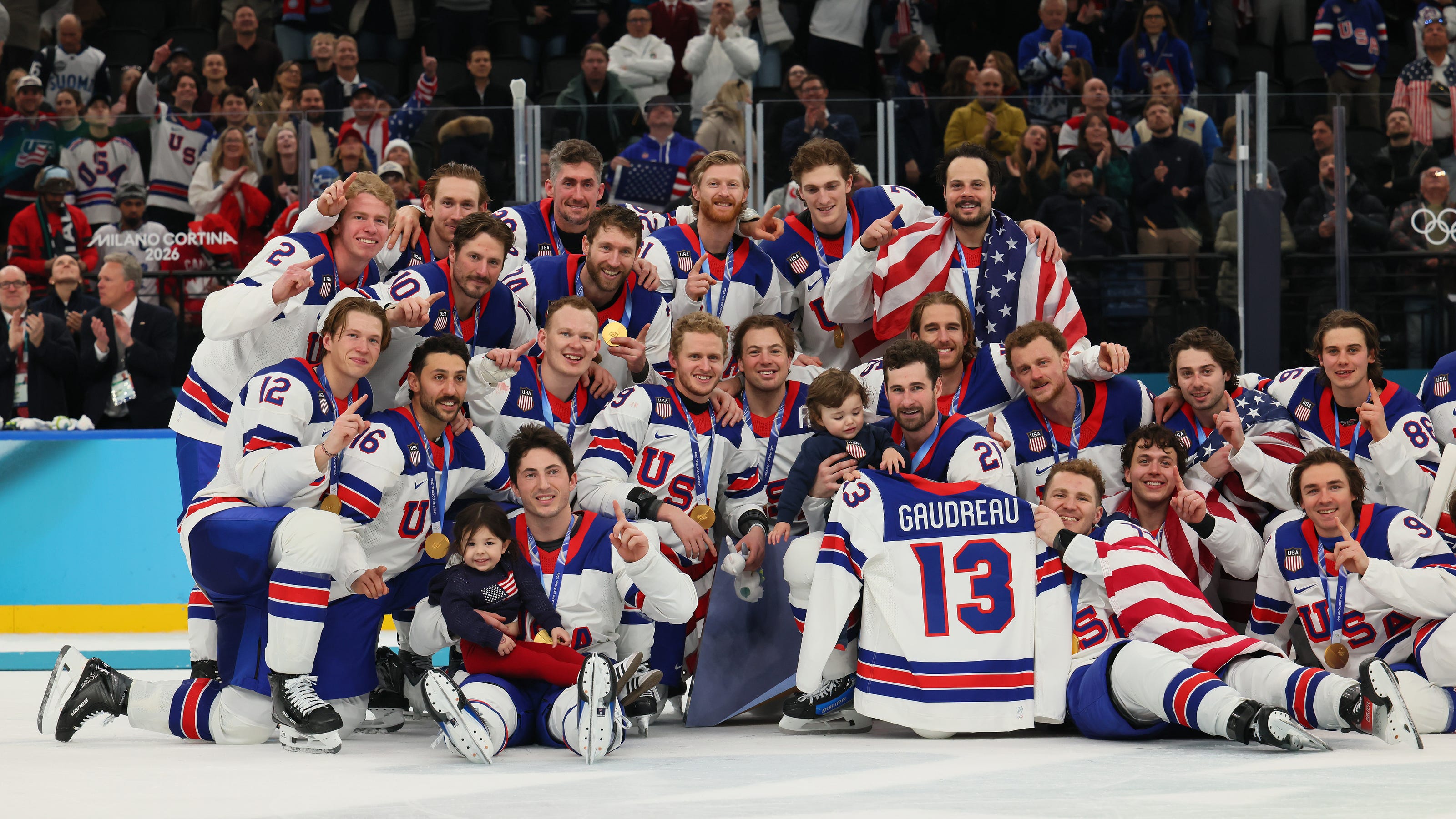
Team USA also had a strong showing, concluding the Winter Games with a total of 33 medals. While the specific breakdown of golds for Team USA isn't detailed, their significant overall medal count underscores their competitive strength and broad participation across numerous events.
The 116 medal events contested throughout the Milan-Cortina 2026 Games provided a rich tapestry of competition, highlighting both individual brilliance and team synergy. From the high-speed thrills of alpine skiing and bobsleigh to the artistic grace of figure skating and the endurance tests of cross-country, every event contributed to the spectacle. For a broader overview of the Games' successes and a deeper dive into the Italian experience, make sure to read our article on
Milan-Cortina 2026 Concludes: Highlights from Italy's Winter Olympics.
Looking Ahead: The Legacy of Milan-Cortina 2026
The Milan-Cortina 2026 Winter Olympics have not just been about the medals won or the records broken; they have been a powerful affirmation of the unifying spirit of sport. From Team GB's historic golden haul and the groundbreaking achievements of Brazil, Georgia, and Spain, to the debut appearances of new nations, these Games exemplified the expanding global reach and ever-increasing diversity of winter sports. The spirit of excellence, respect, and friendship championed by IOC President Kirsty Coventry resonated throughout every event and ceremony. As Milan Cortina conclude this chapter, they leave behind an inspiring legacy that will undoubtedly motivate future generations of athletes and continue to promote the values that make the Olympic Games so profoundly significant. The world now eagerly anticipates the Paralympic Winter Games, where more incredible stories of courage and triumph will unfold.